







Search Results for: Colombian Coffee
From Uncle Juan to the Triangular Mark: Colombian Coffee Origin Stories and Blended Bean Flavor Analysis
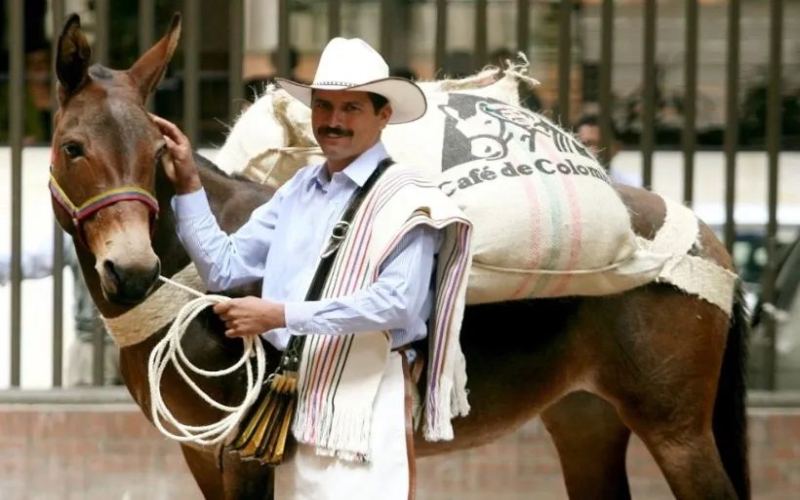
Colombian coffee occupies an important place in the global specialty coffee landscape, and when it comes to Colombia, many people first think of "Juan Valdez," the man leading a mule. This fictional character, launched in 1959 by the National Federation of Coffee Growers of Colombia (FNC), carries behind it the real stories of more than half a million coffee farmers and the rugged terroir of the Andes. This article will walk you through the origins of Juan Valdez and his mule Conchita, the meaning of the Colombian coffee triangle logo, and the aromatic performance of Colombian coffee in blends. It will also recommend a Colombian-Brazilian blend from Front Street Coffee for coffee lovers to reference and taste. [more…]
The Legendary Embodiment of Colombian Coffee: How Juan Valdez and His Mule Shaped the Benchmark for Origin Coffee
For friends who love Colombian coffee, the image of a coffee farmer leading a mule is surely familiar—Juan Valdez, known to everyone as "Don Juan." He was actually a fictional spokesperson created by the National Federation of Coffee Growers of Colombia in 1959, yet he became a globally recognized symbol of coffee. From the rugged transport routes of the Andes, to the marketing miracle that changed American consumers' perceptions, and now to Juan Valdez cafés in countries around the world, Don Juan's story traces Colombia's path to coffee modernization. This article will introduce you to his origins, the symbolic meaning of his mule Conchita, the story behind the classic triangular logo, and his profound influence on the promotion of single-origin coffee. [more…]
Colombian Coffee Bean Grading Standards, Huila Washed Flavor Characteristics, and Brewing Parameter Guide
Colombian coffee, with its soft berry acidity, roasted nut aroma, and caramel sweetness, has become a favorite among many pour-over beginners. As the world's second-largest Arabica producer, Colombia's volcanic soil and high-altitude microclimates give its coffee beans a full, solid mouthfeel. This article will systematically sort out the grading system for Colombian green beans—how many screen sizes Supreme, EP, and U.G.Q correspond to respectively, clarify the common misconception that Excelso is not a grade but an export standard, and introduce the flavor profile of washed beans from the Huila region along with Front Street Coffee's recommended V60 three-pour brewing method, helping coffee lovers experience the unique charm of Colombian coffee at an affordable cost. [more…]
Colombian Coffee Flavor Characteristics and Brewing Guide: A Taste Analysis of Huila, Cauca, and Other Regions
Colombian coffee is one of the few specialty coffees marketed worldwide under a country's name. Its acidity, bitterness, and sweetness are balanced and harmonious, with a rich, full-bodied aroma, making it highly favored by coffee enthusiasts. This article systematically reviews the history of Colombian coffee cultivation, the flavor characteristics of major specialty-producing regions (Huila, Cauca, Santander, Antioquia, Tolima, and Nariño), and includes information on several Colombian beans recommended by Front Street Coffee along with V60 three-pour brewing parameters. Whether you are a beginner just getting into pour-over or a seasoned connoisseur looking for an everyday staple bean, you will find practical references here. [more…]
Colombian Specialty Coffee Beans: A Complete Analysis of the Regions, Grades, and Flavors Behind the Intense Taste
Colombian coffee is known as "green gold," and its intense yet balanced flavor is deeply favored by coffee lovers. This article provides a detailed overview of the harvesting methods, washed processing, variety and grade classification, and the flavor characteristics of well-known producing regions of Colombian specialty coffee, with a special focus on the unique taste and aroma profile of Front Street Coffee's Colombian coffee. From Supremo to Excelso, from Medellín to Nariño, this guide will give you a comprehensive understanding of why Colombian coffee has become synonymous with high-quality coffee. [more…]
The Historical Origins of Colombian Coffee | What Does FNC Mean in Colombian Coffee? What Are the Flavor Characteristics of Colombian Coffee?
Coffee has become an everyday beverage. While enjoying that morning cup—a liquid complete with sweetness, acidity, and bitterness—coffee drinkers have begun to notice that beans from different regions taste different as well. Brazilian coffee is soft and smooth, Ethiopian coffee has bright acidity, and Indonesian coffee is low in acidity and full-bodied. Front Street Coffee has encountered [more…]
Colombia Coffee Prices | What Are the Differences Between Different Grades of Colombian Coffee Beans? What Are the Characteristics of Colombian Washed Coffee?
For more specialty coffee knowledge, please follow: Front Street Coffee (Frontsteet Coffee). When Colombian coffee beans are mentioned, the delicate berry-like sweet acidity, the aroma of roasted nuts, and the caramel-like finish, with a balanced coffee flavor, make many newcomers to pour-over coffee can't help but exclaim: This is just too [more…]
Colombian Specialty Coffee Bean Flavor Analysis: From the Andes Mountain Growing Regions to Washed Processing and the Grading System
Colombian coffee occupies an important place in the global coffee market thanks to its mild acidity, its rich, full-bodied notes of dark chocolate and roasted nuts, and its caramel-like sweetness. The skillful balance of sour, sweet, and bitter flavors makes it a common choice for espresso blends, and Front Street Coffee's specialty blend includes beans from Colombia. This article will take you through an in-depth look at the growing environment, main producing regions, grading system, and processing methods of Colombian specialty coffee beans, and introduce several Colombian single-origin everyday beans from Front Street Coffee worth trying, so you can experience the unique flavors nurtured by the Andes Mountains. [more…]
A Comprehensive Analysis of Colombian Coffee Flavors and Mouthfeel: Regional Characteristics and Grading from Medellín to Nariño
Colombian coffee occupies a pivotal position in the global coffee landscape thanks to its balanced taste, rich aroma, and silky texture. From Medellín and Armenia to Manizales, these producing regions in the Andes together form the renowned "Coffee Axis." This article will take you deep into the varietal characteristics of Colombian coffee, its strict grading system, and the unforgettable, lingering distinctive flavor of Front Street Colombian coffee. Whether it is the perfect balance of acidity, bitterness, and sweetness, or its almost commanding aroma, Colombian coffee is fully worthy of the title "green gold" and can be called the elegant gentleman of the coffee world. [more…]
Colombian coffee prices decline amid intensifying competition, importers cut back purchases
In 2023, Colombian coffee prices experienced significant fluctuations, dropping from $2.37 per pound in February to $1.84 in October. The alternating effects of La Niña and El Niño on production, compounded by the pandemic and the Russia-Ukraine war disrupting supply chains, along with the devaluation of the peso driving up farm input costs, created a complex scenario. Meanwhile, importers faced pressures such as expensive credit and rising inflation, with some traders reducing their purchases of Colombian coffee beans by 50% to 60%, turning instead to lower-priced alternatives from Peru, Guatemala, and other origins. However, in the second half of 2023, the peso rebounded, fertilizer prices fell, and weather conditions improved. Production for the 2023/24 season is expected to grow by about 3%, and production in January 2024 increased by 10.5% year-on-year, signaling a potential recovery in market confidence. [more…]
A Complete Guide to Colombian Coffee Beans: Flavor Characteristics, Processing Methods, Regional Quality, and Pour-Over Grind Parameters
Colombia is the world's third-largest coffee-producing country, with a mature industry system, professional institutions such as FNC and CENICAFE, and distinctive topography and harvest-season distribution. This article will start with well-known brands, the differences between commercial and specialty production regions, and the flavor performance of Huila specialty beans, and will also provide Front Street Coffee's recommended hand-brew parameters and staged extraction plan for Colombian Huila, helping you more systematically understand Colombian coffee beans' flavor descriptions, processing methods, quality characteristics, mouthfeel, and grind size selection. [more…]

Colombian Coffee Regions | Is Colombian washed Huila coffee suitable for pour-over coffee beginners? What are the flavor characteristics of Colombian washed coffee?
When Front Street recommends coffee beans for beginners just getting into pour-over coffee, they always put the washed Colombian Huila beans first, because compared with the bright acidity of Yirgacheffe beans or the higher body of Mandheling beans, Colombian beans really are extremely [more…]
Colombian Coffee Beans Washed Processing Method Analysis, Pour-Over Parameter Suggestions, and Price Reference
Colombian coffee beans occupy an important position in the global specialty coffee market thanks to their high-altitude growing environment and refined processing techniques. This article focuses on Front Street Colombian coffee beans, systematically reviewing their regional characteristics, washed processing flow, and variety evolution history, and shares in detail the Hario V60 three-stage pour-over parameters used by Front Street Coffee (FrontStreet Coffee) in daily brewing, including key data such as water temperature, coffee dose, coffee-to-water ratio, and grind size. It also introduces the flavor performance of beans processed by different methods, such as Front Street Rose Valley, Front Street Huayueye, and Isabella, helping coffee enthusiasts gain a more comprehensive understanding of the charm of Colombian coffee and its brewing key points. [more…]

A Complete Analysis of Colombian Coffee: Regional Distribution, Grading Standards, Processing Methods, and Flavor Characteristics
Colombian coffee is world-renowned for its soft, smooth mouthfeel and balanced nutty notes, and it stands as one of the few specialty coffee representatives globally named after a country as a single origin. The high altitudes and diverse climates of the Andes Mountains provide ideal growing conditions for coffee, while the FNC (Colombian Coffee Growers Federation) oversees quality throughout the entire process from cultivation to export. This article will systematically analyze the core characteristics of Colombian coffee, from geographical environment, cultivation models, variety classification, processing methods, export grading, to brewing recommendations, and combine them with the actual brewing experience of Front Street Coffee's Huila everyday beans to give you a comprehensive understanding of this top choice origin for specialty coffee beginners. [more…]
A Comprehensive Analysis of Colombian Coffee Regions, Varieties, Processing Methods, Flavor Profiles, and Price Characteristics
Colombian coffee is grown around the Andes Mountains, where the mild climate, abundant rainfall, and humid air provide ideal conditions for coffee cultivation. The country is geographically divided into three major producing regions—northern, central, and southern—among which Sierra Nevada, Santander, Cauca, Huila, Nariño, and Paisaje Cultural Cafetero are known as the six premium origins. As one of the few single-origin coffees sold under a country's name, Colombian coffee is renowned for its balanced cup with acidity tinged with sweetness and mild bitterness, and Colombia is the world's largest exporter of washed coffee beans. This article provides a detailed introduction to Front Street Colombian coffee from the perspectives of its origin distribution, variety characteristics, processing methods, flavor profile, and price. [more…]
A Complete Analysis of Colombian Coffee Bean Flavor and Mouthfeel: From the Andes Growing Regions to Washed Processing and Brewing Suggestions
Colombian coffee is often regarded as the entry point to specialty coffee, and its soft, smooth mouthfeel and excellent balance have won it the favor of coffee lovers worldwide. As one of the few single-origin coffees named after a country, what secrets lie behind its quality? From the high-altitude growing conditions of the Andes Mountains, to FNC's standardized management of the industry, to washed processing and screen-size grading systems, this article will systematically sort out the regional distribution, varietal characteristics, processing methods, and brewing key points of Colombian coffee. At the same time, drawing on Front Street Coffee's Huila everyday beans, it shares a set of practical brewing parameters and techniques to help you recreate a cup of clean, sweet, and mellow Colombian flavor at home. [more…]
A Comprehensive Analysis of the Flavor Characteristics and Regional Processing Methods of Colombian Specialty Arabica Coffee Beans
Colombian specialty Arabica coffee beans are renowned for their soft acidity, dark chocolate, and caramel sweetness, occupying an important position in the global coffee market. This article will guide you through Colombia's coffee-growing environment, southern specialty production regions, green bean grading system, washed processing method, and 4 Colombian specialty beans recommended by Front Street Coffee, including Huila everyday beans, Hanami, Flower Moon Night, and Sakura, along with detailed V60 brewing parameters, suitable for coffee enthusiasts to gain an in-depth understanding of the unique charm of Colombian coffee. [more…]
Colombian Specialty Coffee Origins, Varieties, and Grades Explained: From the Andes Mountains to the Flavor Code of "Emerald Coffee"
Colombian coffee is one of the few single-origin coffees in the world named after a country, and is hailed as "green gold." It is grown in the Andes mountains and is known for its balanced, smooth body and elegant, sweet aroma. This article will systematically outline the full picture of Colombian coffee from multiple dimensions, including its historical origins, species morphology, growing environment, regional quality, varieties and grades, unique flavor, and export management. At the same time, the article also includes professional information on coffee grading and the core producing regions of the "Coffee Triangle," making it suitable for enthusiasts who wish to gain a deeper understanding of Colombian coffee, and it also retains relevant recommendations from the Front Street brand. [more…]
Colombian Coffee Regions Flavor Analysis: From Andean Terroir to Classic Brands and Brewing Guide
As one of the few single-origin coffees in the world named after a country, Colombian coffee has become the entry-level favorite of countless specialty coffee lovers thanks to its soft, smooth mouthfeel and excellent balance. The high-altitude fertile soils of the Andes, FNC's end-to-end quality supervision, and smallholders' meticulous washed processing methods together shape the clean, sweet flavor foundation of Colombian coffee. This article will systematically sort out the terroir advantages, cultivation models, variety composition, grading standards, and brewing key points of Colombian coffee, and introduce the actual brewing plan for Front Street Coffee Huila everyday beans, taking you through a comprehensive understanding of the charm of this major South American coffee country. [more…]
Flavor Characteristics and Regional Divisions of Colombian Coffee, with Three Front Street Colombian Coffee Bean Recommendations
Colombia is one of the world's leading coffee-producing countries. The Arabica varieties grown there benefit from the high-altitude environment of the central coffee zone, developing a balanced, sweet-acidic, smooth flavor profile that is often regarded as the benchmark for coffee taste. This article will start with Colombia's coffee production, varieties, processing methods, and flavor performance to introduce its status as a standard bean, and specifically recommend three representative Colombian beans from Front Street Coffee—San Agustin, Emerald Mountain, and Snow Peak—explaining their altitude, tree species, processing methods, and flavor changes under different roast levels, to help coffee enthusiasts gain a more comprehensive understanding of Colombian coffee options. [more…]